
Compostable Tableware vs Biodegradable Tableware: A Complete Buying Guide for Sustainable Food Packaging Buyers
Introduction
As sustainability becomes a key purchasing factor in the food service industry, more restaurants, catering companies, food delivery platforms, and packaging distributors are looking for alternatives to traditional plastic tableware. Among the most discussed solutions are compostable tableware and biodegradable tableware.
For businesses purchasing food packaging in bulk, choosing the right eco-friendly tableware is not only about environmental responsibility. It also involves practical considerations such as product performance, food safety, supply stability, customization options, minimum order quantity (MOQ), certifications, and overall cost.
Many buyers face similar questions:
Will compostable tableware perform as well as plastic products?
What certifications should suppliers provide?
Is the MOQ suitable for my business size?
Can I customize the design with my brand logo?
How can I ensure the products meet local regulations?
This guide explains the differences, benefits, applications, and purchasing considerations of compostable and biodegradable tableware to help professional buyers make informed decisions.
What Is Compostable Tableware?
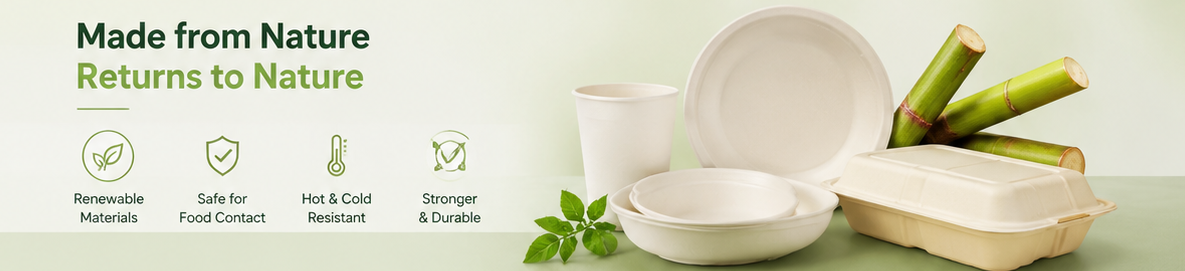
Compostable tableware refers to disposable food service products designed to break down into natural components under specific composting conditions, leaving no harmful residues. These products are usually made from renewable materials such as sugarcane bagasse, bamboo fiber, cornstarch-based PLA, or other plant-derived materials.
Unlike conventional plastic products, which can remain in the environment for hundreds of years, compostable tableware is designed to return to the natural cycle when processed correctly.
Common compostable tableware products include:
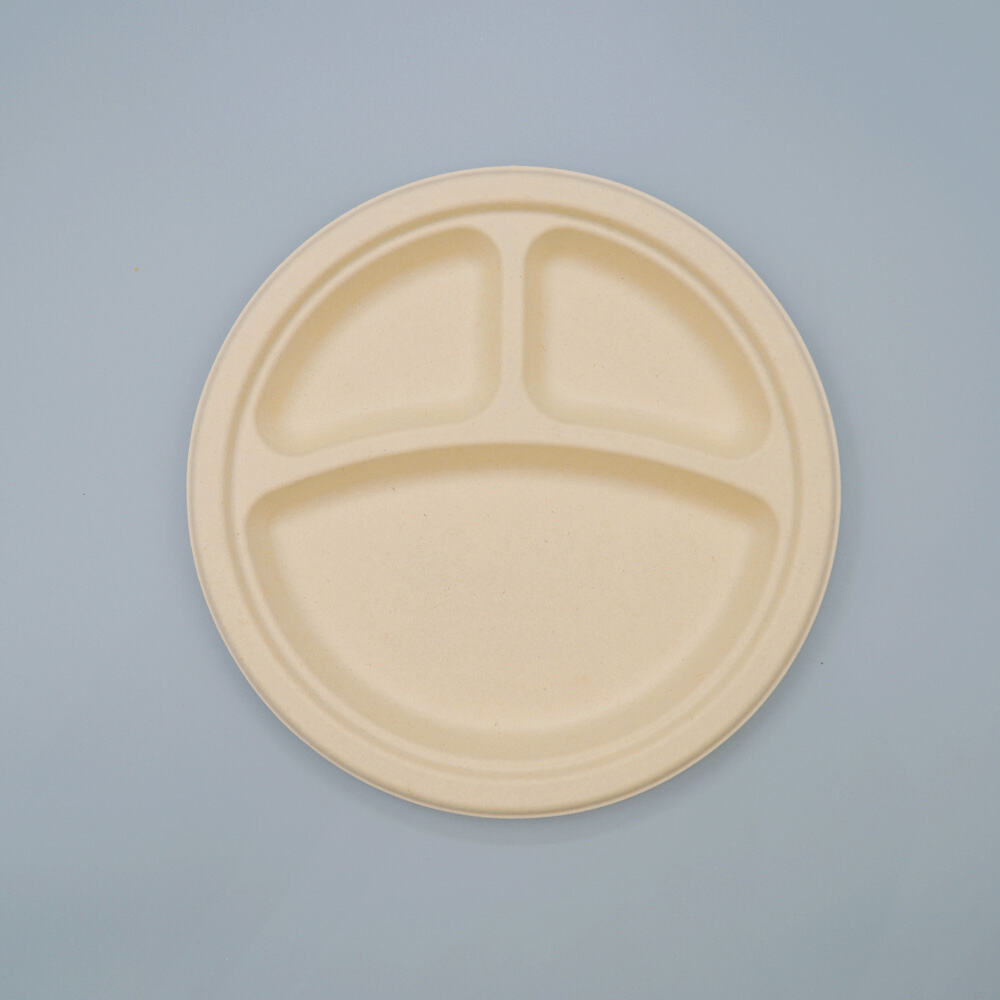
Plates
Bowls
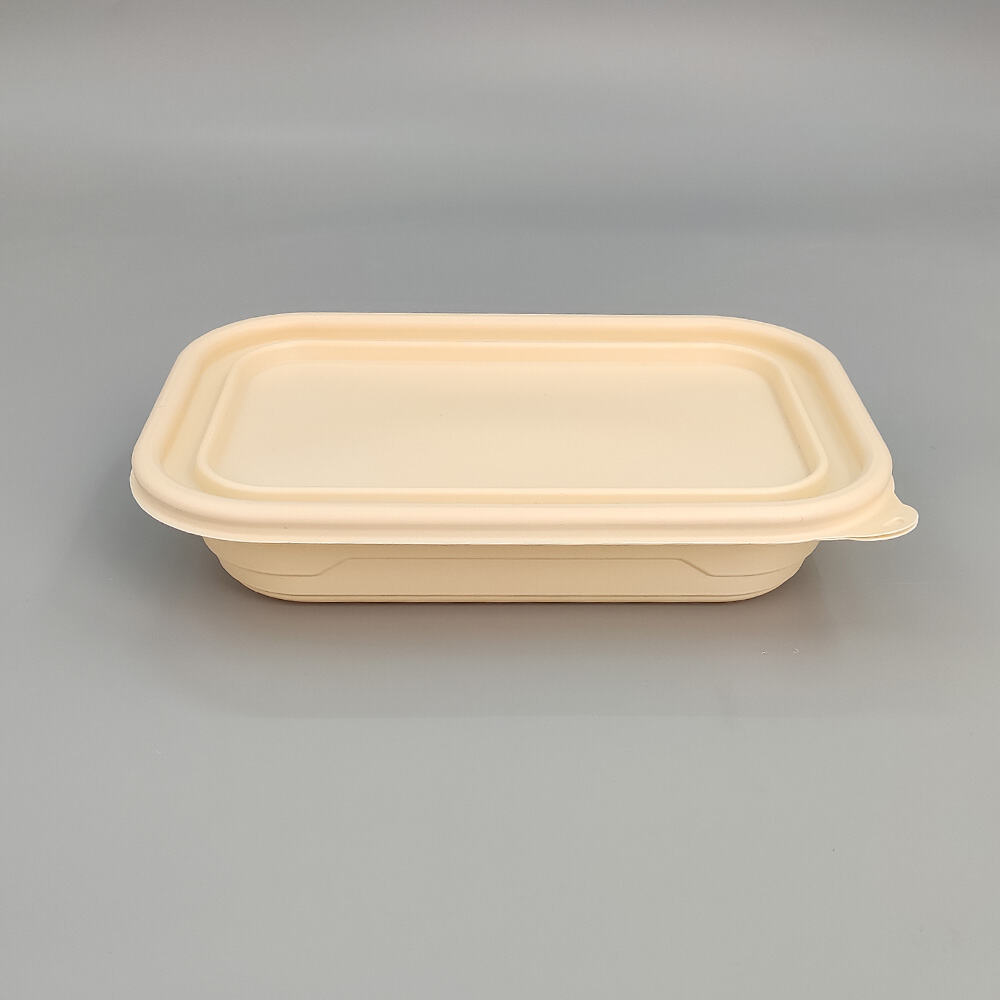
Food containers
Trays
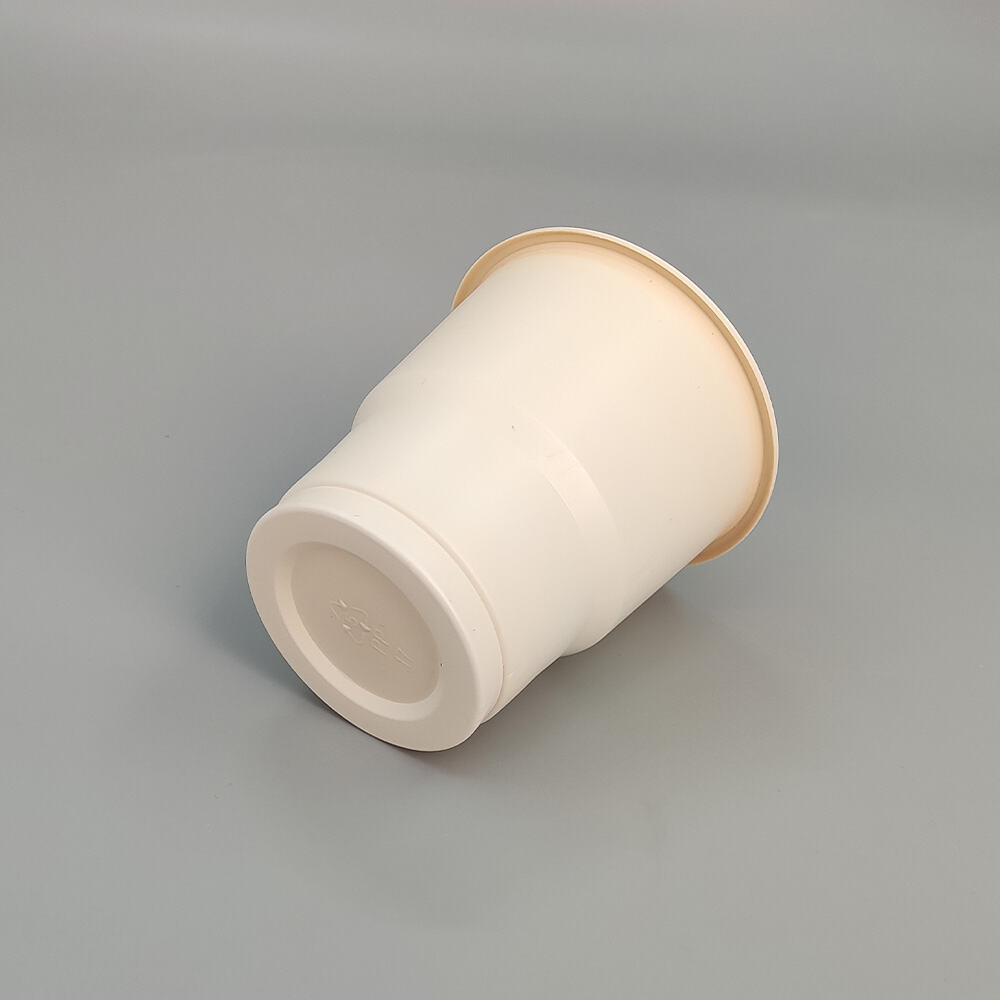
Cups
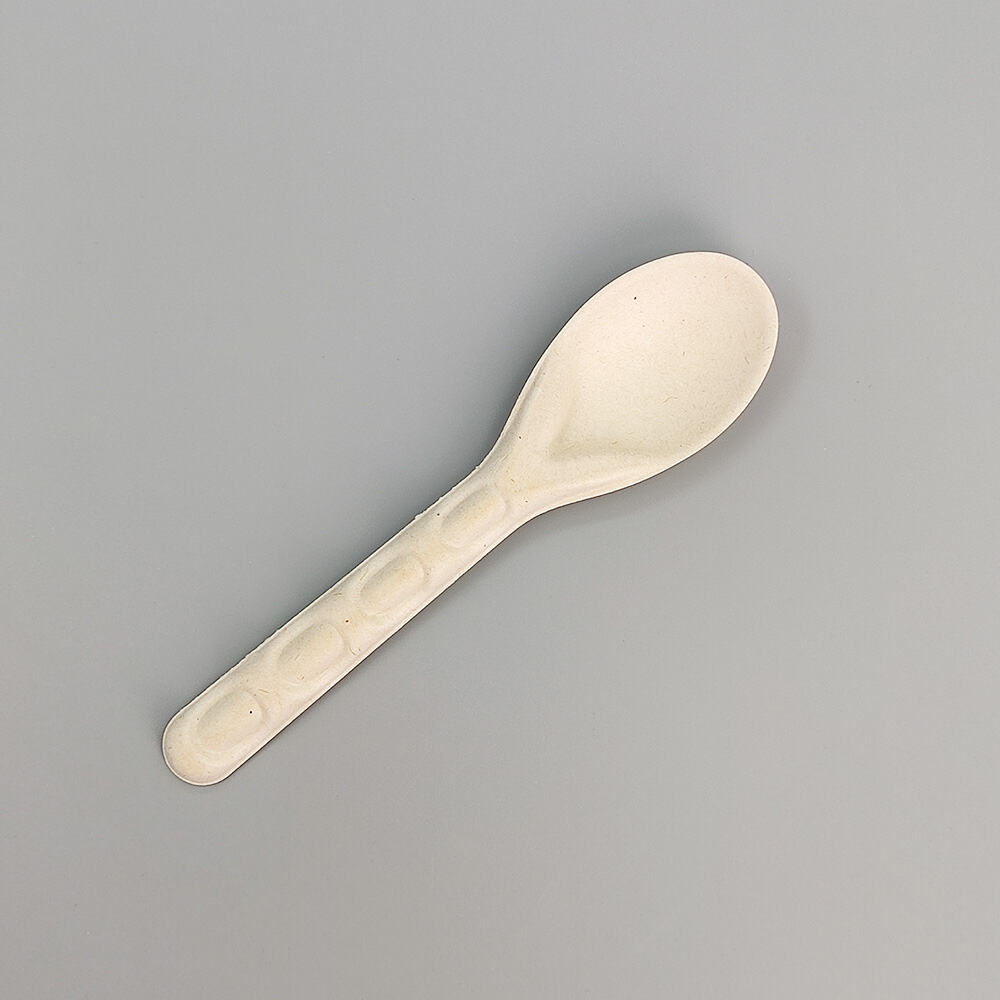
Cutlery
Takeaway packaging
Biodegradable tableware is a broader term. It refers to products that can naturally decompose through biological processes. However, the decomposition speed and environmental impact can vary significantly depending on the material and conditions.
For B2B buyers, the difference is important:
| Feature | Compostable Tableware | Biodegradable Tableware |
|---|---|---|
| Definition | Breaks down into compost under specific conditions | Breaks down naturally through biological processes |
| Certification | Often requires industrial composting certification | Certification requirements vary |
| End Result | Produces compost, water, and carbon dioxide | May leave different residues depending on material |
| Buyer Focus | More regulated and measurable sustainability claim | Broader environmental category |
When purchasing sustainable packaging, buyers should always verify the actual material composition and certifications instead of relying only on environmental marketing terms.
Key Benefits of Compostable and Biodegradable Tableware
1. Reduced Environmental Impact
The biggest advantage of compostable tableware is its ability to reduce dependence on petroleum-based plastics.
Materials such as sugarcane bagasse and bamboo fiber use agricultural by-products that would otherwise become waste. This creates a more circular approach to packaging production.
For restaurant groups and food delivery companies, switching to sustainable tableware can also strengthen their environmental image and meet increasing consumer expectations.
2. Strong Performance for Food Service Applications
One common concern from buyers is whether eco-friendly products can match traditional plastic tableware in performance.
Modern compostable tableware has improved significantly. Quality products can provide:
Good rigidity and strength
Oil resistance
Heat resistance
Leak prevention
Microwave suitability for selected products
For example, bagasse food containers are widely used for takeaway meals because they can handle hot food, sauces, and oily dishes without losing structure.
3. Better Brand Image
Sustainability is becoming a purchasing decision factor for consumers.
Restaurants, coffee shops, and delivery brands increasingly use eco-friendly packaging as part of their brand identity. Customized compostable tableware with logos or branded packaging helps businesses communicate their sustainability values directly to customers.
4. Compliance With Changing Regulations
Many regions are introducing restrictions on single-use plastics. Businesses that transition early to compostable alternatives can reduce future compliance risks.
For distributors and wholesalers, offering certified sustainable products can also help them serve customers in markets with stricter environmental requirements.
Applications of Compostable Tableware
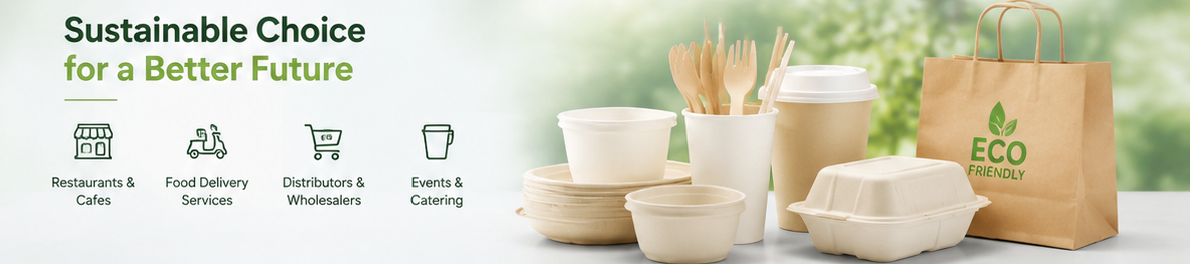
Compostable tableware is used across many industries, from independent cafes to international food chains.
Restaurants and Food Service Chains
Restaurants require packaging that is reliable, attractive, and cost-effective.
Popular products include:
Compostable plates for dine-in and takeaway
Food bowls for salads and rice dishes
Containers for delivery meals
Cutlery sets
Large restaurant chains often purchase customized packaging to maintain consistent branding across locations.
Food Delivery Companies
Food delivery businesses focus heavily on durability because packaging must survive transportation.
Important requirements include:
Secure lids
Leak resistance
Stackability
Lightweight shipping
Compostable takeaway containers made from bagasse or PLA materials are common solutions.
Coffee Shops and Beverage Brands
Coffee shops are increasingly replacing traditional plastic cups and accessories with sustainable alternatives.
Products include:
Compostable cups
Paper-based drink containers
PLA lids
Eco-friendly cutlery
Businesses may also customize cups, sleeves, or packaging with their logos.
Distributors and Wholesalers
For distributors, the main considerations are:
Stable supply
Competitive pricing
Product variety
Packaging options
Certification documents
A supplier capable of providing multiple materials and designs allows distributors to serve different customer segments more efficiently.
Buying Guide: How to Choose the Right Supplier
Choosing compostable tableware is more complicated than simply comparing prices. Professional buyers should evaluate several factors.
1. Material Selection
Different materials have different advantages.
| Material | Advantages | Common Applications |
|---|---|---|
| Sugarcane Bagasse | Strong, heat resistant, made from agricultural waste | Plates, bowls, food containers |
| Bamboo Fiber | Natural appearance, good strength | Premium tableware |
| PLA | Plant-based, transparent, suitable for cold applications | Cups, lids, packaging |
| Cornstarch-Based Materials | Renewable resource option | Cutlery and molded products |
The right choice depends on product requirements, local regulations, and customer expectations.
2. MOQ Requirements
MOQ is one of the most common concerns among buyers.
Large companies may order hundreds of thousands of pieces, while smaller brands often need lower quantities for market testing.
Typical MOQ factors include:
Product type
Mold requirements
Printing method
Packaging customization
For example:
| Customization Type | Typical MOQ Impact |
|---|---|
| Stock products without logo | Lower MOQ possible |
| Custom color | Higher MOQ |
| Custom mold | Requires additional investment |
| Custom printing | Depends on printing method and quantity |
At Tonchant Earth, we work with buyers to find suitable solutions based on their market needs, whether they are testing a new product line or preparing large-scale distribution.
3. Customization Options
Brand customization is important for restaurants and food businesses.
Common customization options include:
Logo printing
Custom packaging boxes
Customized sleeves
Private label solutions
Special product shapes
Before production, buyers should confirm artwork requirements, printing colors, packaging details, and approval procedures.
4. Certification Considerations
Certification requirements vary by country and market.
Common certifications and standards buyers may ask for include:
Compostability certifications
Food contact safety certifications
Material safety reports
Environmental compliance documents
Important considerations:
Confirm whether certificates match the actual product material.
Check whether certification is accepted in the target market.
Request supporting documents before placing large orders.
A professional supplier should be able to provide transparent documentation.
Common Buyer Concerns
“Is compostable tableware more expensive than plastic?”
In many cases, compostable products have a higher unit cost than traditional plastic because renewable materials and manufacturing processes require additional investment.
However, the price gap has narrowed as production technology improves and demand increases.
Businesses should evaluate total value, including:
Brand improvement
Customer perception
Regulatory compliance
Long-term sustainability goals
“Will compostable products become soft when holding hot food?”
High-quality compostable tableware is designed for food service conditions.
However, performance depends on:
Material quality
Product design
Production technology
Buyers should test samples with their actual food applications before large orders.
“Can small businesses order customized products?”
Yes, but customization requirements affect MOQ.
For smaller brands, options may include:
Starting with standard products
Using simple logo customization
Combining different products in one order
Discussing requirements with suppliers early can help identify the most cost-effective solution.
“How do I know if a supplier is reliable?”
Professional buyers should check:
Factory experience
Production capability
Quality control process
Certification documents
Previous export experience
A supplier with experience serving international markets can better understand compliance and logistics requirements.
FAQ
1. What is the difference between compostable and biodegradable tableware?
Compostable tableware is designed to break down into compost under specific conditions, while biodegradable is a broader term describing materials that can naturally decompose. Compostable products usually have clearer testing standards.
2. What materials are commonly used for compostable tableware?
Common materials include sugarcane bagasse, bamboo fiber, PLA, and other plant-based materials. The best option depends on the application, temperature requirements, and market regulations.
3. Can compostable tableware be customized with my brand logo?
Yes. Many suppliers offer customization options including logo printing, packaging design, and private label services. MOQ requirements depend on the product and printing method.
4. What certifications should I request from a supplier?
Buyers should request relevant compostability certifications, food safety documents, and material information based on their target market requirements.
5. What MOQ should I expect for custom compostable tableware?
MOQ varies by product type, material, and customization level. Standard products usually require lower quantities, while custom molds, colors, or printing may require higher MOQs.
Conclusion
The demand for compostable tableware and biodegradable tableware continues to grow as businesses look for sustainable alternatives to traditional plastic packaging.
For restaurants, food delivery companies, wholesalers, and distributors, the right purchasing decision requires balancing sustainability, product performance, customization needs, certifications, and cost.
Working with an experienced supplier helps buyers avoid common challenges such as unclear materials, unsuitable MOQs, and insufficient documentation.
Tonchant Earth provides sustainable packaging solutions for global food businesses, helping customers develop eco-friendly tableware options that match their market requirements and brand goals.
Whether you are launching a new sustainable food brand or expanding an existing packaging range, choosing reliable compostable solutions can create long-term value for both your business and the environment.
Recommended Products

 Hot News
-
What Materials Are Used in Eco-Friendly Tableware?
2026-08-26
-
How Compostable Food Packaging Is Made: From Plant Fiber to Finished Product
2026-08-20
-
What Is Bagasse and Why Is It Used in Food Packaging?
2026-07-29
-
Bagasse vs Cornstarch Food Containers: Which Is Better?
2026-07-23
-
Compostable Tableware vs Biodegradable Tableware: A Complete Buying Guide for Sustainable Food Packaging Buyers
2026-07-21
-
Complete ASTM D6400 Certification Guide: What Importers and Food Packaging Buyers Must Know
2026-07-13