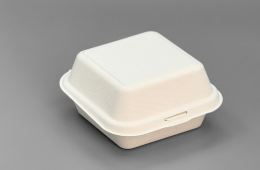

What Is Bagasse and Why Is It Used in Food Packaging?
Introduction
As restaurants, food delivery businesses, and catering companies continue to look for alternatives to traditional plastic packaging, sustainable materials have become an important part of modern foodservice operations. Among the many eco-friendly options available today, bagasse packaging has gained significant attention because it combines functionality, durability, and environmental advantages.
For food businesses, choosing the right packaging material is not only about sustainability. Buyers also need to consider product performance, cost efficiency, customization options, supply reliability, and compliance with food safety standards.
Bagasse has become a practical solution for companies that need disposable food containers, plates, bowls, trays, and takeaway packaging that can handle real-world foodservice requirements. From quick-service restaurants to meal delivery companies, many businesses are replacing traditional plastic or foam packaging with sugarcane tableware made from renewable plant fibers.
But what exactly is bagasse? Why is it widely used in food packaging? And what should buyers consider before placing a bulk order?
This guide explains everything B2B buyers need to know about bagasse packaging, including its benefits, applications, purchasing considerations, customization possibilities, and common concerns.
What Is Bagasse?
Bagasse is the fibrous material left after sugarcane stalks are crushed to extract juice. Traditionally, this agricultural by-product was often treated as waste or burned for energy. Today, advanced manufacturing technologies allow bagasse fibers to be processed into durable and sustainable food packaging products.
The production process usually includes:
Sugarcane is harvested and processed to extract juice.
The remaining fibrous pulp (bagasse) is collected.
The fibers are cleaned and refined.
The pulp is molded under heat and pressure into food containers.
Finished products are sterilized, inspected, and packed for shipment.
Unlike petroleum-based plastic packaging, bagasse packaging comes from a renewable agricultural resource. It also provides a second use for sugarcane waste, helping reduce dependence on fossil-based materials.
Bagasse vs Traditional Food Packaging Materials
| Material | Source | Renewable | Common Uses | Environmental Consideration |
|---|---|---|---|---|
| Bagasse | Sugarcane fiber waste | Yes | Bowls, plates, trays, takeaway boxes | Plant-based and compostable under suitable conditions |
| Plastic | Petroleum | No | Containers, cups, lids | Long-lasting waste concerns |
| EPS Foam | Petroleum chemicals | No | Food trays and boxes | Difficult to recycle in many regions |
| Paperboard | Wood fiber | Partly | Boxes, cups, cartons | Depends on coating and sourcing |
| PLA | Corn starch or other plants | Yes | Cups, food containers | Requires specific composting conditions |
Bagasse is especially popular because it offers a balance between environmental responsibility and practical performance.
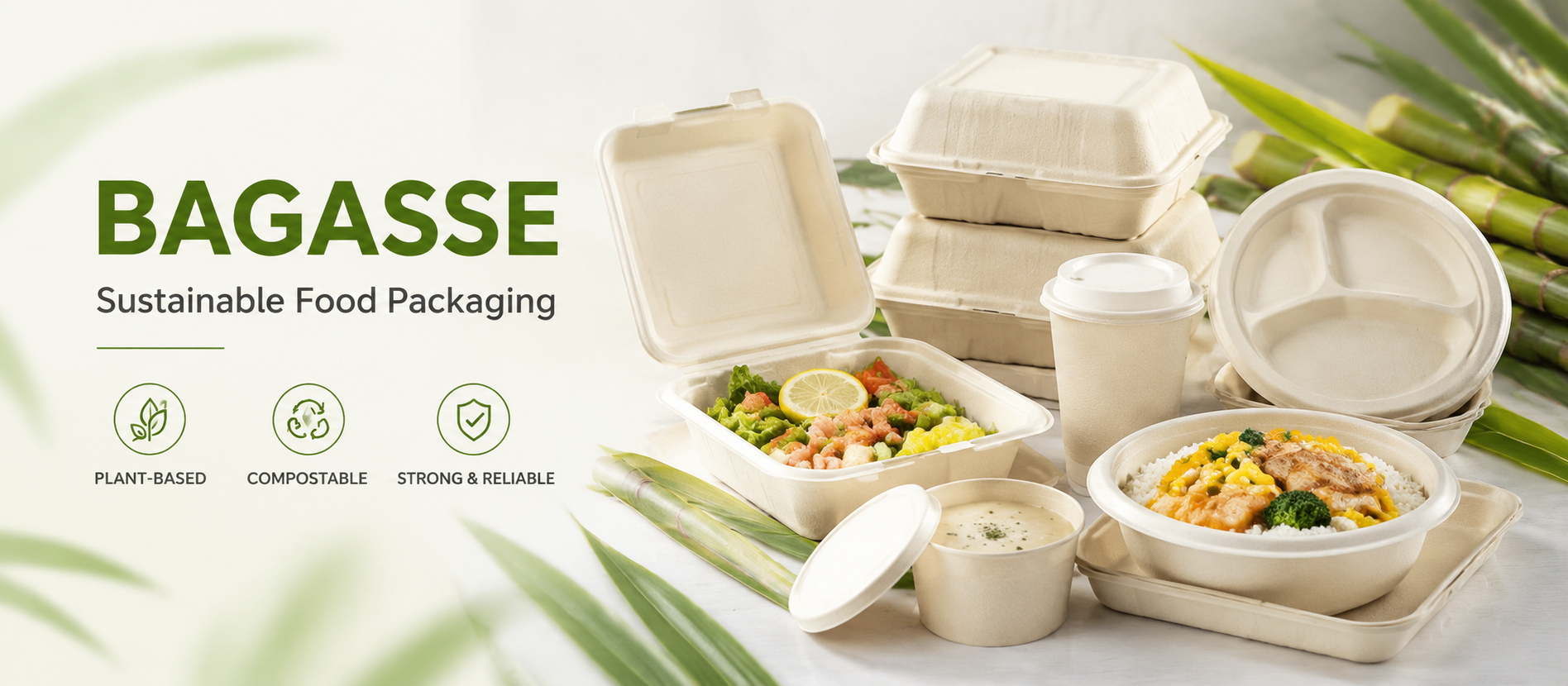 Key Benefits of Bagasse Packaging
1. Renewable and Plant-Based Material
One of the biggest advantages of bagasse is that it uses sugarcane residue instead of newly extracted raw materials.
For companies developing sustainability strategies, switching to sugarcane tableware can support environmental goals while still meeting daily operational needs.
Many restaurants and food brands use bagasse products as part of their efforts to reduce plastic consumption and improve their sustainability image.
2. Strong and Durable Performance
A common misconception is that eco-friendly packaging is weaker than conventional packaging. Modern bagasse products are designed for commercial foodservice environments.
Bagasse containers typically offer:
Good rigidity and stacking strength
Resistance to oils and grease
Ability to hold hot and cold foods
Leak-resistant performance
Microwave suitability for many product types
For example, takeaway restaurants need packaging that can survive delivery transportation without collapsing or leaking. Properly manufactured bagasse containers can meet these requirements.
3. Heat and Cold Resistance
Food businesses often need packaging that works across different menu categories.
Bagasse packaging can commonly be used for:
Hot rice dishes
Fried food
Salads
Desserts
Frozen foods
Compared with some plastic alternatives, bagasse maintains better stability when exposed to hot foods.
4. Compostable and Environmentally Preferred
Many bagasse products are designed to be compostable in industrial composting environments.
However, buyers should understand that “compostable” does not always mean the product will disappear immediately in every natural environment.
Before purchasing, businesses should check:
Applicable composting standards
Local waste management conditions
Required certifications for their market
Responsible sourcing means understanding the complete product lifecycle rather than only focusing on the material itself.
5. Suitable for Brand Customization
For restaurants and food brands, packaging is also a marketing tool.
Bagasse packaging can often be customized through:
Custom product sizes
Logo embossing
Packaging box printing
Customized sleeves or labels
Special shapes for unique food concepts
At Tonchant Earth, we help businesses develop customized sustainable packaging solutions based on their product requirements, branding needs, and target market.
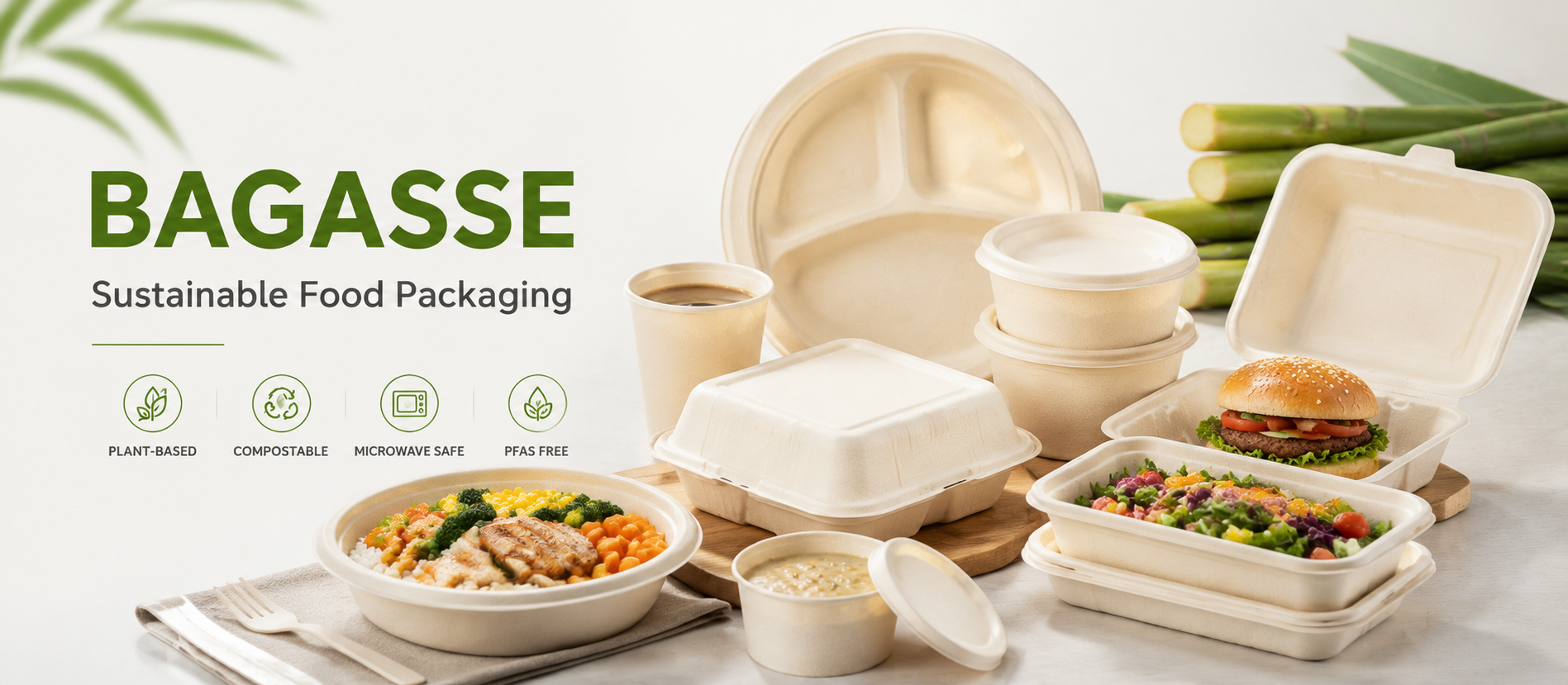 Applications of Bagasse Packaging
Bagasse has become widely used across different foodservice industries.
Restaurant Takeaway Packaging
Restaurants increasingly choose bagasse containers for takeaway meals because they provide a professional appearance while supporting sustainability goals.
Common products include:
Burger boxes
Food trays
Lunch boxes
Sauce containers
Meal prep containers
Food Delivery Services
Food delivery companies require packaging that can maintain food quality during transportation.
Important requirements include:
Leak resistance
Secure stacking
Temperature retention
Lightweight shipping weight
Bagasse containers are commonly used by:
Cloud kitchens
Meal delivery brands
Catering companies
Online food platforms
Catering and Events
Large catering companies often purchase bagasse plates, bowls, and trays for:
Corporate events
Outdoor festivals
Weddings
Conferences
The disposable nature and clean appearance make bagasse a practical alternative to traditional disposable tableware.
Supermarkets and Ready-to-Eat Food Brands
Prepared food businesses use bagasse trays and containers for:
Ready meals
Fresh salads
Bakery products
Take-home food
The natural appearance of bagasse also fits brands that focus on organic, healthy, or sustainable positioning.
Buying Guide: How to Choose the Right Bagasse Packaging Supplier
Purchasing sustainable packaging requires more than comparing prices. B2B buyers should evaluate several factors before selecting a supplier.
1. Product Specification
Consider:
Container size and capacity
Shape requirements
Stackability
Lid compatibility
Food type
Temperature requirements
For example, a restaurant selling soup requires different packaging compared with a bakery selling dry snacks.
2. Minimum Order Quantity (MOQ)
MOQ is one of the most common concerns for buyers.
Because bagasse products are usually manufactured using molds, production setup costs can affect small orders.
Typical MOQ considerations:
| Order Type | Typical Situation |
|---|---|
| Standard stock products | Lower MOQ possible |
| Custom size products | Higher MOQ due to mold requirements |
| Custom logo printing | Usually requires larger quantities |
| Special colors or designs | Higher production requirements |
Many new brands prefer testing smaller quantities first, while established distributors usually purchase larger volumes to achieve better pricing.
At Tonchant Earth, we work with customers to find practical solutions depending on product type, customization requirements, and market demand.
3. Customization Options
Businesses often ask whether sustainable packaging can be customized. The answer is yes.
Common customization options include:
| Customization | Available Options |
|---|---|
| Size | Different capacities and dimensions |
| Shape | Standard or customized mold designs |
| Branding | Logo printing on packaging or outer cartons |
| Color | Natural fiber appearance or customized options depending on process |
| Packaging | Custom retail boxes and shipping cartons |
For restaurant chains and distributors, customized packaging helps create stronger brand recognition.
4. Certification Requirements
Certification requirements vary depending on the destination market.
Common certifications buyers may request include:
Food contact safety certification
Compostability certification
BPI certification (for North American markets)
EN 13432 certification (commonly used in Europe)
FSC certification for paper-based packaging components
Before ordering, buyers should confirm:
Which certifications are required locally
Whether documentation is needed for customs clearance
Whether the supplier can provide testing reports
Common Buyer Concerns About Bagasse Packaging
Concern 1: Is Bagasse Packaging More Expensive Than Plastic?
In many cases, bagasse products have a higher unit price than traditional plastic packaging.
However, buyers should consider the total value:
Improved brand image
Customer preference for sustainable packaging
Reduced dependence on petroleum-based materials
Compliance with environmental regulations
For many food businesses, sustainability has become part of customer expectations.
Concern 2: Will Bagasse Containers Leak or Become Soft?
Quality depends heavily on manufacturing technology.
Low-quality products may have inconsistent thickness or poor moisture resistance.
Buyers should evaluate:
Material thickness
Production standards
Supplier experience
Sample testing results
Testing with actual menu items before large orders is recommended.
Concern 3: Can Bagasse Packaging Be Customized for Small Businesses?
Small businesses often have limited purchasing volume.
While custom molds and printing may require higher quantities, suppliers can usually recommend solutions such as:
Selecting existing sizes
Adding custom labels
Using customized outer packaging
This allows smaller brands to achieve a branded appearance without excessive investment.
Concern 4: Is Bagasse the Same as Paper Packaging?
No.
Paper packaging is generally made from wood pulp, while bagasse comes from sugarcane fiber.
Bagasse products usually have a stronger natural fiber structure and are especially suitable for food containers requiring better moisture resistance.
FAQ About Bagasse Packaging
1. What is bagasse packaging made from?
Bagasse packaging is made from sugarcane fiber left after sugar extraction. The fibers are processed into pulp and molded into disposable food containers, plates, bowls, and trays.
2. Is bagasse packaging biodegradable?
Bagasse products are plant-based and many are designed to be compostable. However, the breakdown process depends on environmental conditions and local composting facilities.
3. Can bagasse containers hold hot food?
Yes. High-quality bagasse containers are commonly used for hot meals, including rice dishes, noodles, fried food, and catering applications.
4. What is the MOQ for customized bagasse packaging?
MOQ depends on the product type, customization method, and production requirements. Standard products usually have lower MOQs, while custom molds and printing require larger quantities.
5. How can I choose a reliable bagasse packaging supplier?
Buyers should consider:
Manufacturing experience
Product quality consistency
Certification availability
Customization capability
Production capacity
Communication and after-sales support
A reliable supplier should understand both sustainability requirements and practical foodservice needs.
Conclusion
Bagasse has become one of the most practical alternatives for businesses looking to move toward more sustainable food packaging solutions. Made from renewable sugarcane fibers, it provides a combination of durability, functionality, and environmental advantages.
For restaurants, food delivery companies, distributors, and wholesalers, choosing the right bagasse packaging supplier requires careful evaluation of product performance, MOQ requirements, customization possibilities, and certification needs.
As sustainable packaging demand continues to grow worldwide, bagasse and sugarcane tableware will remain important solutions for businesses seeking responsible alternatives without sacrificing quality or convenience.
Tonchant Earth continues to support global customers with customized eco-friendly packaging solutions designed for modern foodservice applications.
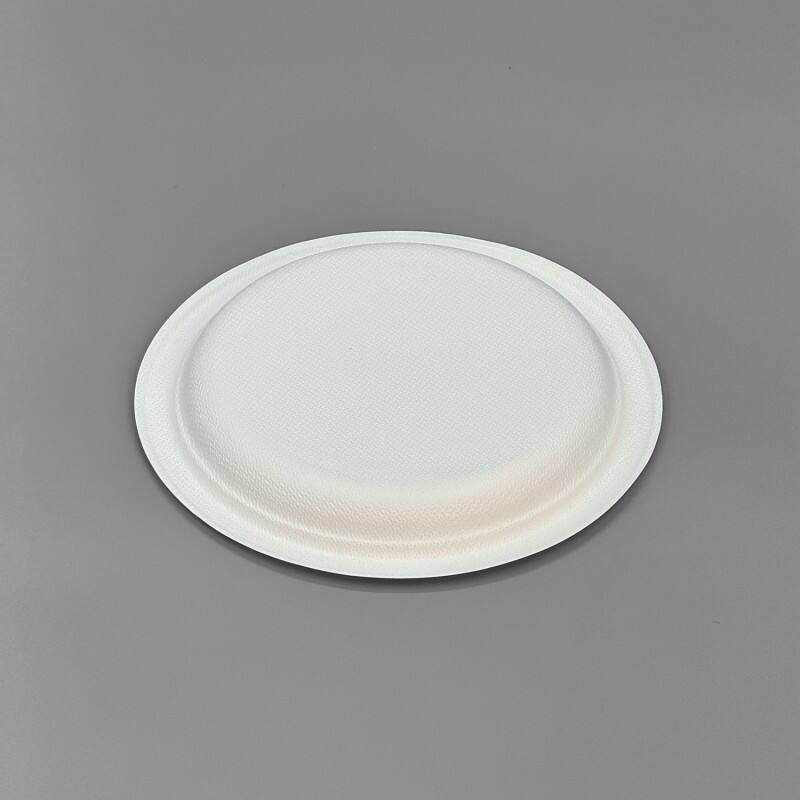
Recommended Products
 Hot News
-
What Materials Are Used in Eco-Friendly Tableware?
2026-08-26
-
How Compostable Food Packaging Is Made: From Plant Fiber to Finished Product
2026-08-20
-
What Is Bagasse and Why Is It Used in Food Packaging?
2026-07-29
-
Bagasse vs Cornstarch Food Containers: Which Is Better?
2026-07-23
-
Compostable Tableware vs Biodegradable Tableware: A Complete Buying Guide for Sustainable Food Packaging Buyers
2026-07-21
-
Complete ASTM D6400 Certification Guide: What Importers and Food Packaging Buyers Must Know
2026-07-13